
How to Choose the Best CBCT Machine for Your Dental Practice?
June 30, 2026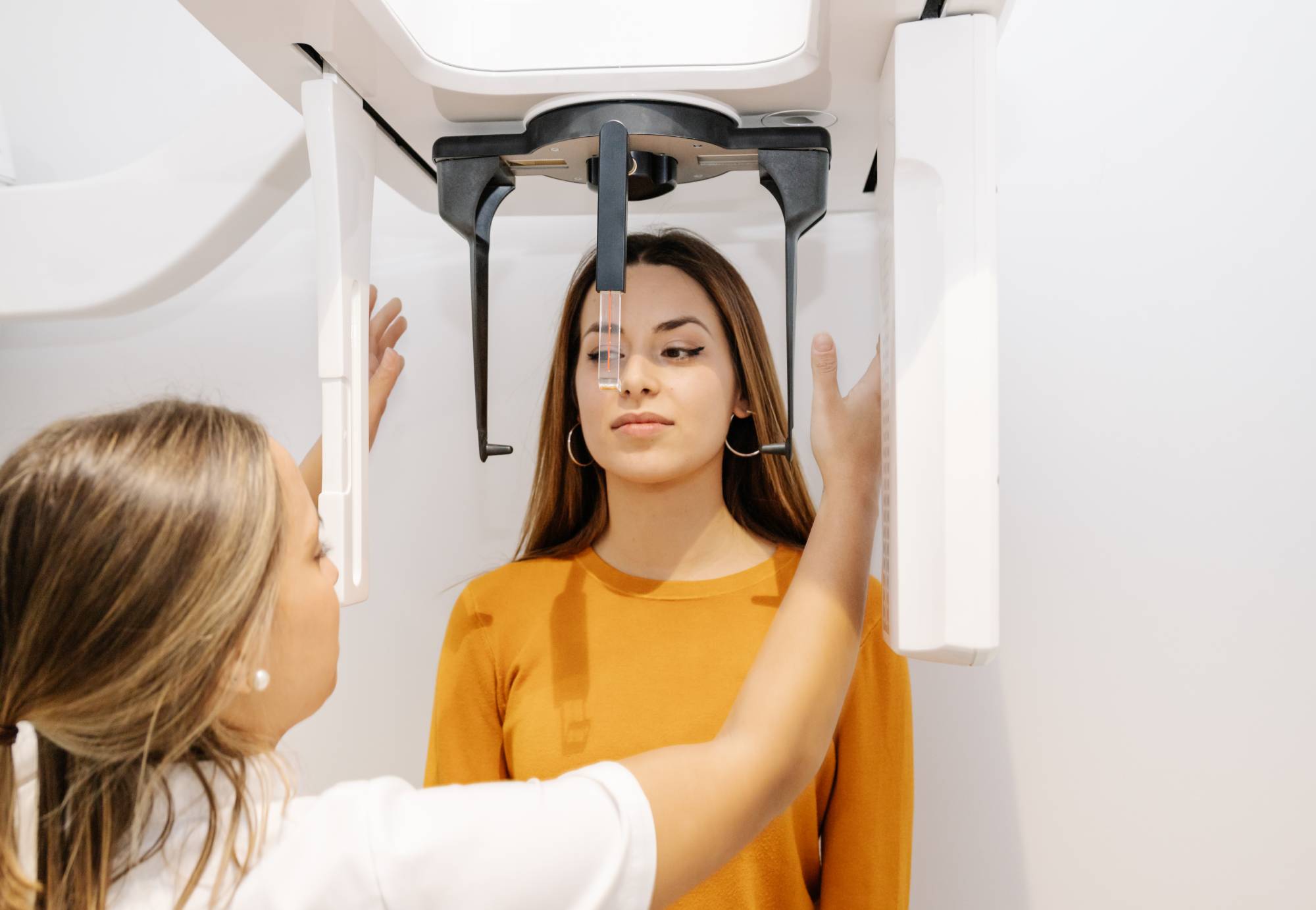
Every accurate diagnosis starts with a clear picture. And in today’s dental practices, that picture is three-dimensional.
According to the World Health Organization, approximately 3.7 billion people suffer from oral diseases, and addressing that burden demands imaging technology that keeps pace with complexity.
That’s where CBCT in dentistry plays a critical role, offering precision that conventional X-rays can’t match.
But not every machine is built the same, and finding the best CBCT machine for your practice means weighing clinical needs against practical realities. This blog walks you through the key factors to consider, from image quality and dose management to software integrations and total cost of ownership.
Why Growing Practices Are Investing in CBCT
Most general practices begin by referring patients to outside imaging centers for CBCT scans. Early on, that approach often makes sense. As implant, endodontic, or surgical case volume grows, however, those referral costs add up, and the back-and-forth between scheduling, imaging, and treatment can create workflow friction that slows patient care.
Bringing CBCT for implant planning in-house recaptures that referral spend and puts the full diagnostic picture in the hands of the clinician performing the procedure. The result is a shorter diagnosis-to-treatment timeline, fewer hand-offs, and a more cohesive patient experience.
What CBCT Enables That 2D X-Rays Can’t
Traditional 2D radiographs remain useful, but they limit visibility by compressing complex anatomical structures into a flat image. CBCT delivers 3D visualization of bone density, nerve pathways, and anatomical structures, the kind of information that changes treatment decisions.
There’s a case acceptance dimension here, too.
When patients can see their 3D scan on-screen during a consultation, the conversation about implants or surgical treatment becomes more concrete. That visual clarity helps them feel more confident about moving forward with treatment.
Beyond diagnostics, CBCT serves as the foundational layer for guided surgery and CAD/CAM implant workflows, making it a cornerstone of a fully digital practice.
The Key Specs That Actually Matter When Choosing a CBCT
Not all systems offer the same capabilities. Before comparing the best CBCT machine, it’s important to understand the specifications that have the greatest impact on clinical performance and daily use.
Field of View (FOV): The Single Biggest Decision
Field of view refers to the anatomical area that is captured by a scanner and measured in centimeters. It’s the most consequential specification in the decision.
Three general categories apply across the market:
- Small FOV systems capture a focused area, a single arch, one implant site, or an individual tooth for endo.
- Medium FOV systems cover single or dual arches and suit most general practices well.
- Large FOV systems handle full craniofacial volumes for ortho, TMJ analysis, oral surgery, and trauma cases.
A useful rule of thumb is to choose the largest FOV that actually covers your procedures. They carry higher costs and radiation doses.
The good news is that most medium- and large systems can collimate down to smaller FOVs when a focused scan is appropriate, which offers meaningful flexibility. That capability is worth confirming with any vendor.
Voxel Size and Image Resolution
Think of voxel size as the 3D equivalent of pixel size. The smaller the voxel, the finer the detail in the reconstructed image. This matters most for implant planning, endodontics, and any case where precise anatomical detail drives the treatment outcome.
Modern systems span a wide range, roughly 65 to 400 µm, with sub-100 µm resolution on premium units designed for high-detail work. A general practice doing standard implant cases doesn’t necessarily need the finest resolution available, but an endo-heavy practice should prioritize it.
Radiation Dose and Scan Time
Average radiation doses across CBCT systems are roughly 30 to 200 µSv, depending on the protocol and FOV selected. If the practice treats a broad patient base that includes children or patients requiring frequent follow-up imaging, look for systems offering low-dose or pediatric protocols.
Scan time matters because faster acquisitions reduce motion artifacts, which affect image quality. For anxious patients or those with limited mobility, shorter scan times also improve the overall experience in the chair.
Software and Workflow Integration
The hardware is only part of the investment. The planning software needs to support practices such as implant placement simulation, airway and sleep apnea analysis, orthodontic modeling, or endo visualization.
Metal artifact reduction is worth evaluating for any practice treating patients with existing restorations, where scan interference is a diagnostic concern.
Equally important is how the CBCT system communicates with existing tools. Compatibility with intraoral scanners and CAD/CAM platforms keeps the digital workflow unified.
Systems that create file-format dead ends or require duplicate data entry add friction in the workflow. Before purchasing the best CBCT machine, confirm that the software works well with the scanners and design platforms already in place.
Growth and Upgrade Path
Don’t just buy for the practice you have today. Think about where you’ll be in 2 to 3 years. If implant cases increase significantly or you add an associate who performs more endodontic procedures, will your current system keep up?
Ask vendors whether the system offers expandable software functionality, versatile FOV options through collimation, and has the ability to unify panoramic, cephalometric, and 3D imaging within a single imaging platform.
What Does a CBCT Machine Cost and What’s the Real ROI?
A CBCT system is one of the largest technology investments a dental practice can make. Understanding the financial picture upfront can help you set realistic expectations and evaluate options more clearly.
Price Ranges Across the Market
CBCT pricing varies widely based on field of view, imaging capabilities, software features, brand, and support package. Entry-level and small FOV units typically sit at the lower end of the market, while medium FOV systems fall into a higher mid-range tier.
Large FOV and full craniofacial models from leading manufacturers represent the highest investment level, especially when equipped with advanced imaging and software features.
Certified pre-owned and refurbished systems offer a meaningful alternative, often available at a significant discount compared to new systems. This can make in-house CBCT more accessible for practices managing tighter capital.
The Hidden Costs Beyond the Sticker Price
Room build-out, radiation shielding, software licensing, installation, IT setup, and staff training can all add to the total investment. These costs vary based on the practice space, local requirements, vendor package, and support needs.
Factoring these into the total cost of ownership gives a far more accurate picture before committing. Even with these additional expenses, many practices can achieve ROI over time by reducing outside imaging costs and expanding in-house treatment capabilities.
Frequently Asked Questions
What Is the Best CBCT Machine for a Growing Dental Practice?
There is no one-size-fits-all answer. The best CBCT machine depends on your case mix, clinical goals, and expected growth over the next few years. Focus on FOV, software compatibility, and upgrade flexibility rather than brand name alone.
How Much Does a Dental CBCT Machine Cost?
Dental CBCT pricing varies widely based on system capabilities, field of view, software, and support package. Additional expenses such as installation, shielding, software, and training can increase the total investment. Understanding the full cost of ownership is essential before purchasing.
What Field of View Do I Need for My Practice?
Small FOV systems are ideal for endodontics and single-site implant planning. Medium FOV configurations support most general dentistry and restorative procedures. Large FOV units are better suited for orthodontics, oral surgery, TMJ analysis, and full craniofacial imaging.
How Long Does It Take to See ROI on a CBCT Machine?
Many practices achieve ROI within 12 to 24 months. Savings come from reducing outside imaging referrals and expanding treatment capabilities. However, actual timelines depend on scan volume and service adoption.
What Questions Should I Ask Before Purchasing a CBCT Machine?
Ask about FOV flexibility, software compatibility, and available low-dose protocols. It’s also important to review warranty coverage, service agreements, and upgrade options. These factors can affect long-term value and usability.
Ready to Bring CBCT In-House?
Choosing the best CBCT machine comes down to fit. The right system should support the procedures you perform today while giving you room to grow in the years ahead. FOV flexibility, software compatibility, radiation protocols, and upgrade paths carry more practical weight than brand recognition alone.
Working with a multi-brand integrator changes the equation. Rather than evaluating options through a single manufacturer’s lens, practices benefit from a side-by-side comparison of systems across the full market, matched to their actual caseload, workflow, and growth plans.
Whether you’re purchasing your first CBCT system or upgrading existing imaging technology, CAD Ray helps you evaluate options with confidence.
With access to leading brands and a focus on matching technology to your workflow, you can compare solutions based on your clinical needs rather than a one-size-fits-all recommendation.
Browse CBCT systems at CAD Ray to compare options across leading manufacturers, or explore digital dentistry training to understand the onboarding and implementation process before you invest.