
Clear Aligners: Comfortable Orthodontic Care with Advanced Digital Solutions
November 5, 2025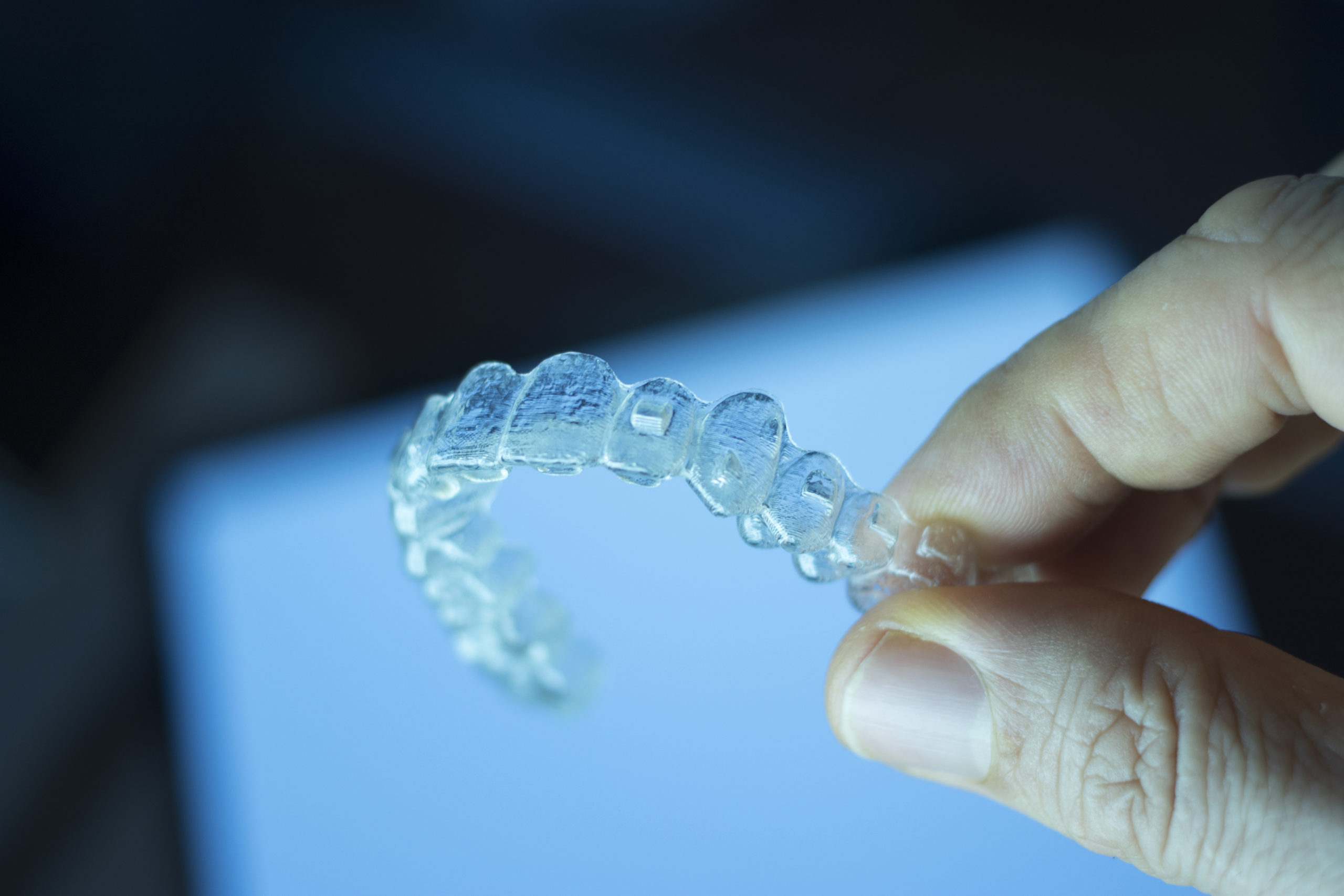
A straight smile no longer means a mouth full of metal.
Clear dental aligners have transformed orthodontic care, offering a comfortable and discreet alternative to traditional braces. They use gentle, consistent pressure to move teeth into alignment without the brackets or wires that often cause irritation.
In this guide, we’ll explore how clear aligner orthodontic treatments work, who can benefit from them, and how digital dentistry solutions are making the process more precise and efficient.
What Are Clear Aligners?
Clear aligners are custom-made trays designed to gradually shift teeth into the desired position. They are made from medical-grade, transparent plastic that fits snugly over the teeth. Unlike traditional braces, aligners are removable and virtually invisible, allowing patients to maintain their confidence throughout treatment.
So, what are clear aligners used for? They are commonly prescribed to treat mild to moderate orthodontic issues such as crowding, gaps, and minor bite irregularities. Their versatility and comfort make them a popular option for both teens and adults seeking a low-profile approach to straighter teeth.
Types of Clear Orthodontic Aligners
Patients today can choose from several types of clear orthodontic aligners, each designed for specific treatment needs. Some systems use rigid transparent aligners that offer precise tooth control, while others use slightly more flexible materials that enhance comfort and ease of wear.
Popular systems vary in design and thickness, but all share one goal: providing effective, nearly invisible orthodontics. Regardless of the type, these transparent aligners give patients freedom from metal brackets and the confidence to smile throughout their treatment plan.
How Clear Aligners Work
The orthodontic treatment process for clear aligners begins long before the first tray is ever worn.
Treatment Planning with Digital Solutions
Modern clear aligner orthodontic treatment relies on advanced technology to maintain accuracy. Dentists use 3D scanners, such as the 3Shape scanner, to capture detailed digital impressions of the patient’s teeth. These scans are imported into specialized CAD/CAM dental software, where the orthodontic aligners lab designs a customized treatment plan.
The software simulates tooth movement over time, allowing both the dentist and patient to visualize the final results before treatment begins. This digital planning enables every aligner to be fabricated with precision, guiding teeth through each phase of alignment.
Step-by-Step Teeth Straightening Process
Once the digital orthodontic is approved, the orthodontic aligners lab manufactures a series of aligners crafted to meet the patient’s unique dental anatomy. Each set of clear dental aligners is worn for about one to two weeks before progressing to the next set.
These clear teeth straighteners apply consistent, gentle pressure that gradually moves teeth into alignment. As the patient progresses through the series, minor adjustments are made until the ideal smile is achieved.
Monitoring and Adjustments
Digital monitoring tools allow for accurate progress tracking without frequent in-person visits. Dentists can assess alignment changes using scans or photos and adjust treatment as needed. This remote supervision keeps the process efficient and ensures the outcome matches the digital treatment plan.
Benefits of Clear Aligners Over Traditional Braces
Clear aligners offer several advantages that make them an appealing choice for modern orthodontic care.
Comfort and Convenience
Without metal brackets or wires, patients experience less irritation and discomfort. Clear dental aligners can also be removed, making everyday activities easier and more enjoyable.
Aesthetic Appeal
Because clear aligners are transparent, they blend seamlessly with natural teeth. Patients can continue social and professional activities without feeling self-conscious about their appearance.
Improved Oral Hygiene
Removable aligners make it simple to maintain oral hygiene routines. Brushing and flossing are more effective, reducing the risk of plaque buildup and gum inflammation.
Precision and Predictable Outcomes
With digital treatment planning, every stage of movement is mapped before treatment begins. This allows for predictable, controlled tooth movement and fewer surprises during the process.
Who Can Benefit from Clear Aligners?
Clear aligners are designed for many types of patients, but not everyone is an ideal candidate.
Ideal Candidates
Individuals with mild to moderate alignment concerns, such as crowded teeth, spacing, or minor bite issues, often benefit most from clear aligner orthodontic treatment. These patients enjoy the combination of comfort, convenience, and cosmetic appeal.
Special Cases and Limitations
Patients with severe malocclusion or complex orthodontic needs may still require traditional braces or other corrective techniques. A dental professional will work with patients to determine the most effective treatment for their specific case.
The Role of the Orthodontic Aligners Lab
Behind every successful aligner treatment is a lab dedicated to precision and quality.
Custom Manufacturing Process
An orthodontic aligners lab uses digital impressions, CAD software, and 3D printing to produce clear aligners with exact specifications. This process allows for efficient fabrication and consistent results across every aligner set.
Quality Control and Innovation
Advanced technology is used to make sure each aligner fits comfortably and performs as intended. Continuous innovation in materials and production methods helps labs deliver aligners that are comfortable and highly accurate.
Tips for Successful Clear Aligner Treatment
Clear aligners are designed to make orthodontic care simpler, but the best results come from following your dentist’s guidance and keeping up with consistent care. These simple habits can make a big difference in the effectiveness of your treatment:
- Wear aligners as prescribed. Most patients need to wear their clear aligners for 20 to 22 hours per day. Only remove them for eating, drinking anything other than water, and daily cleaning. Consistent wear helps maintain progress and keeps your treatment on schedule.
- Clean aligners regularly. Rinse aligners every time you remove them and brush them gently with a soft toothbrush at least once a day. Avoid using hot water, as it can warp the material. Keeping aligners clean prevents odor and buildup that can dull their transparency.
- Maintain good oral hygiene. Brush and floss after meals before putting your aligners back in. Food particles trapped between your teeth and aligners can cause decay or staining.
- Monitor progress with digital tools. Many modern orthodontic practices use digital scanning to track tooth movement. These tools help your dentist assess progress remotely and make adjustments if needed.
- Store aligners properly. When not in use, keep aligners in their case to prevent loss or damage. Replacing teeth aligners mid-treatment can delay your progress.
With consistent wear, proper cleaning, and regular check-ins, patients can enjoy a smooth experience from start to finish.
A Clear Path to a Confident Smile
Clear aligners have redefined orthodontic care by combining comfort, convenience, and cutting-edge technology. Through the power of digital planning and advanced materials, patients can achieve straighter teeth without the challenges of traditional metal braces.
If you are ready to explore a modern approach to orthodontic care, talk with your dentist about clear dental aligners. To learn more about the digital tools that make these treatments possible, visit CAD-Ray to explore the latest innovations in intraoral scanning and digital dentistry solutions.