
Digital Dental X-Rays vs. Traditional Dental X-Rays
November 5, 2025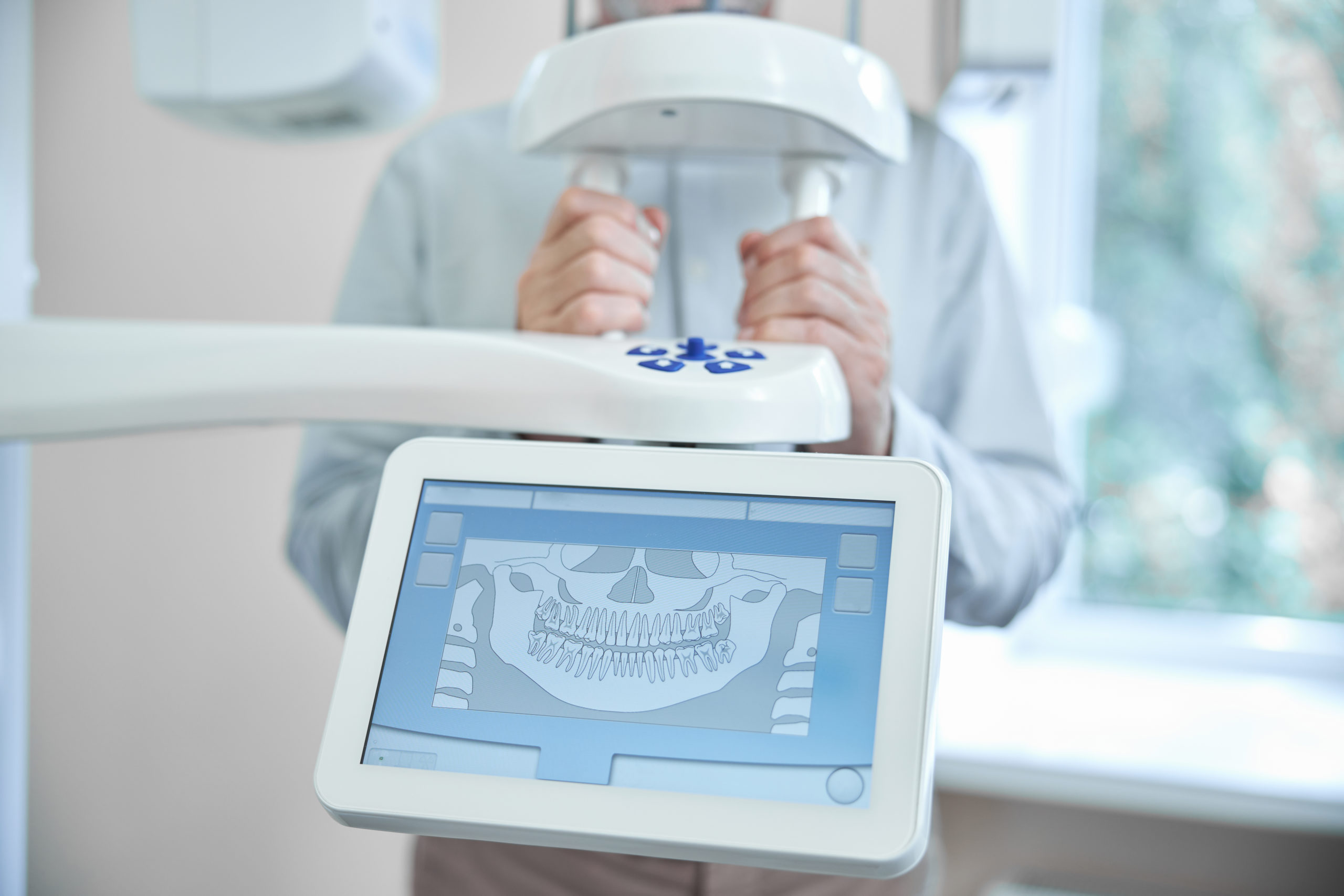
Dental X-rays play a key role in maintaining a healthy smile. They allow dentists to detect problems that aren’t visible during a standard exam, such as cavities between teeth and early signs of infection.
Over the years, dental imaging has evolved dramatically, moving from traditional film-based methods to advanced digital X-rays. This shift has transformed how dental professionals capture, view, and share diagnostic images.
So, how do digital dental X-rays stack up against traditional methods? This post will break down the key differences and explain why digital imaging in dentistry is becoming the new standard for many practices.
Understanding Dental X-Rays
Before we compare technologies, it’s helpful to understand what dental X-rays do and how they’ve evolved over time.
What Are Dental X-Rays Used For?
Dental X-rays are a cornerstone of preventive care. They help dentists identify issues that can’t be seen with the naked eye, including tooth decay, bone loss, infections, cysts, and even tumors. By providing a detailed view beneath the surface, X-rays allow for early detection and accurate treatment planning.
Without them, many oral health problems might go unnoticed until they become more serious or painful. That’s why X-rays remain one of the most reliable diagnostic tools in modern dentistry.
Evolution from Film to Digital Dental Imaging
In the past, dental professionals relied on film-based X-rays that required chemical processing and physical storage. While effective, this process took time, storage space, and careful handling.
The introduction of dental digital imaging in the late 1980s changed that completely. Digital systems replaced film with electronic sensors that capture and store images instantly. This advancement improved diagnostic precision and streamlined dental workflows.
How Digital Dental X-Rays Work
Digital dental X-rays use small electronic sensors instead of film to capture detailed images of the upper and lower teeth. These sensors connect directly to a computer screen, where high-resolution images appear almost instantly.
This form of digital dental radiology lets dentists zoom in and analyze images with far greater clarity than traditional film ever could. The key components of a digital system include X-ray sensors, imaging software, and secure data storage.
Types of Digital Dental X-Rays
Depending on what the dentist needs to see, there are two main types of digital X-rays used in modern practices:
- Intraoral X-Rays: These are taken inside the mouth and include bitewing and periapical images. They help dentists detect cavities, monitor bone health, and assess tooth roots.
- Extraoral X-Rays: Taken outside the mouth, these include panoramic and cone beam computed tomography (CBCT) scans. They offer a broader view of the jaw, skull, and sinuses, making them valuable for surgical planning and orthodontic evaluations.
Whether intraoral or extraoral, digital dental X-rays enhance diagnostic accuracy and overall care.
How Traditional Film X-Rays Work
Traditional dental X-rays use a small strip of photographic film placed inside the mouth. When exposed to X-ray radiation, the film captures a latent image that must be developed in a darkroom using chemical solutions. Once processed, the images are mounted or stored in physical files for review.
Common Uses and Limitations
Some dental clinics still rely on film X-rays because they are familiar and have lower upfront equipment costs. However, traditional systems present several drawbacks for modern dentistry, including:
- Longer processing times that delay results and patient care
- Higher radiation exposure compared to digital dental X-rays
- Chemical waste that requires careful disposal and affects the environment
- Physical storage needs that take up space and make record retrieval more difficult
- Limited image flexibility, since film cannot be digitally enhanced, shared, or stored electronically
- Greater potential for human error, as improper handling can result in unclear or unusable images
For these reasons, more practices are moving away from film and embracing digital systems.
Digital Dental X-Rays vs. Traditional Dental X-Rays: A Detailed Comparison
Here’s how both types of imaging compare in key areas:
Image Quality and Accuracy
Digital dental X-rays provide sharper, more detailed images than traditional film. Dentists can adjust brightness and contrast, zoom in on specific areas, and enhance details without retaking the image. This level of control enables faster, more accurate diagnoses.
In comparison, traditional X-rays produce a static image that cannot be enhanced once developed. Minor errors in exposure or film handling can affect clarity, sometimes requiring a new image.
Efficiency and Workflow
Digital imaging saves valuable time during appointments. Images appear on-screen within seconds, allowing dentists to diagnose and discuss findings immediately. They can also store and share images electronically for consultations or insurance claims.
Film X-rays, on the other hand, require chemical development and manual mounting, which slows down the workflow. This difference makes digital dental X-rays a more practical choice for busy dental practices focused on patient convenience.
Radiation Exposure and Patient Safety
Digital dental radiology significantly reduces radiation exposure compared to traditional methods. While both are considered safe, digital systems use up to 90% less radiation. For patients who need frequent imaging, this lower exposure contributes to better long-term safety and peace of mind.
Environmental Impact
Digital dental imaging also benefits the environment. Film-based systems rely on chemicals for developing and fixing images, many of which must be carefully disposed of due to toxicity.
Digital X-rays eliminate this step, reducing chemical waste and environmental contamination. Additionally, digital storage removes the need for film envelopes and physical filing systems, helping clinics operate more sustainably.
Cost and Maintenance
While the initial cost of switching to digital dental X-rays can be higher, the investment quickly pays for itself. Digital systems eliminate the need for film, chemicals, and darkroom supplies. They also reduce maintenance costs associated with film processors.
Benefits of Digital Imaging in Dentistry
The advantages of digital imaging extend beyond efficiency and clarity. These systems enhance both patient experience and clinical capabilities.
Faster Diagnostics and Better Communication
With real-time imaging, dentists can immediately review results with patients. Showing images on-screen helps patients visualize issues like decay or bone loss, making treatment recommendations easier to understand. This transparency builds trust and supports better oral health decisions.
Integration with Other Digital Tools
Digital dental X-rays integrate seamlessly with other advanced technologies such as CAD/CAM systems, CBCT scanners, and 3D printers. This compatibility allows for more precise treatment planning, from designing restorations to guiding implant placement.
Together, these capabilities represent a major step forward in efficiency and patient outcomes.
Is It Time to Switch to Digital Dental Radiology?
For many dental offices, the answer is yes. The shift to digital radiography offers clear benefits in safety, image quality, and workflow. However, every practice is unique, and the decision should consider factors such as cost, training, and scalability.
Clinics upgrading to digital systems often find that the long-term advantages far outweigh the initial investment. From faster diagnostics to improved patient trust, the transition supports a more modern dental experience.
Final Thoughts
Digital technology has changed the way dental professionals capture and interpret diagnostic images. Compared with film-based systems, digital dental X-rays deliver clearer images in less time. The process is more efficient and precise for both patients and practitioners.
Ready to make the switch? Explore CAD-Ray’s product pages or contact us to discover how your practice can benefit from the latest innovations in digital radiology solutions.