
Same-Day Crowns: Are They As Good As Traditional Crowns?
November 27, 2025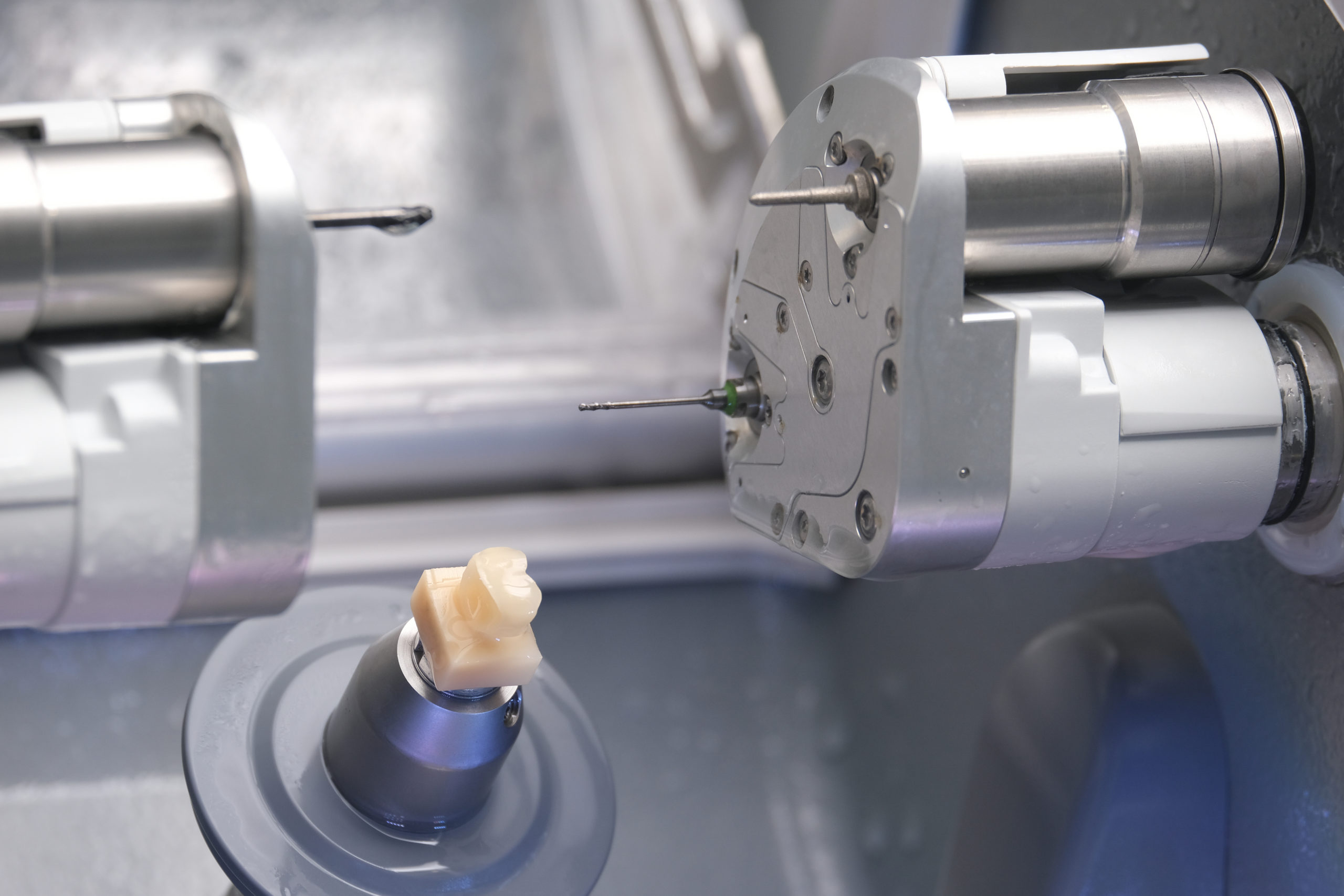
Modern dentistry is moving faster than ever. Treatments that once required weeks, impressions, and multiple appointments can now be completed in a single visit. No temporary crowns, no second trip, no downtime.
The shift is being driven by digital dentistry. The global dental CAD/CAM market was valued at $2.8 billion in 2024, and it’s projected to grow to $6.1 billion by 2034, according to Global Market Insights. That explosive adoption is fueling a major change in restorative care, leading more patients to ask: Are same-day crowns as good as traditional lab-made ones?
In this article, we’ll break down exactly what patients and practices should know, including:
- What same-day crowns are and how they’re made
- How same-day crowns compare to traditional lab-fabricated crowns
- Key differences in durability, fit, materials, and cost
- When same-day crowns are the right choice and when traditional crowns still make sense
- Answers to the most common patient questions about same-day crown technology
What Are Same-Day Crowns?
Same-day dental crowns are permanent restorations that are designed, created, and placed in a single appointment. Instead of relying on a dental lab to fabricate the crown over several weeks, the entire process happens in-office using digital technology.
The crown is milled from a solid block of ceramic, shaped to match your natural tooth, and bonded the same day. This eliminates the need for temporary crowns or multiple visits.
These restorations are made possible through advanced digital dentistry tools such as CAD/CAM software and 3D imaging systems. With these technologies, dentists can capture a precise digital scan, design the crown chairside, and send it directly to an in-office milling machine.
For many patients, this raises the question: are same day crowns good? For most routine restorations, the answer is yes. They provide a strong, natural-looking solution that blends seamlessly with surrounding teeth.
Next, let’s break down how the same-day crown process works from start to finish.
How Are Same-Day Crowns Made?
Same-day crowns use a streamlined digital workflow that allows dentists to prepare, design, mill, and place a permanent crown during a single appointment.
Here’s how the full process works from start to finish.
Step 1: Tooth Preparation
The dentist begins by preparing the damaged tooth, removing decay or old restorations and shaping it to support the new crown.
This step is similar in both same-day and traditional crown treatments, but with same-day crowns, everything moves forward immediately, no temporary crowns required.
Step 2: Digital Impression
Instead of using physical impression trays, the dentist captures a detailed 3D image of the tooth using an intraoral scanner.
The scan produces a precise digital model, which eliminates gagging, discomfort, and inconsistencies. This digital impression is a major advantage in the same day crown vs traditional workflow.
Step 3: Crown Design & Milling
The digital scan is loaded into CAD software, where the dentist designs a custom crown that matches the patient’s bite and anatomy.
Once finalized, the design is sent to an in-office milling machine, which carves the crown out of a high-strength ceramic block. Milling typically takes 15–30 minutes.
Step 4: Customization, Fitting & Placement
After milling, the dentist can fine-tune the crown’s shape, polish it, and check the fit against the surrounding teeth. Small adjustments are made chairside before the crown is permanently bonded in place.
Because same-day crowns use durable and aesthetic ceramic materials, the final result looks natural and functions like a traditional crown, just completed in a fraction of the time.
Same Day Crown vs Traditional: Key Differences
Choosing between a same-day crown and a traditional lab-made crown often comes down to convenience, materials, and clinical needs.
This comparison table breaks down the core differences clearly.
| Category | Same-Day Crowns | Traditional Crowns |
| Fabrication Time | Completed in a single visit (typically 1–2 hours). | Requires 2–3 visits over 2–3 weeks. |
| Impressions | Digital scan—no trays or putty. | Physical impressions or digital scans depending on the practice. |
| Materials | High-strength ceramic blocks. | Porcelain-fused-to-metal, zirconia, ceramic, or gold. |
| Precision & Fit | Excellent accuracy from digital scans and CAD design. | Highly precise; labs may offer advanced customization and layering. |
| Durability | Strong and long-lasting for most cases. | Zirconia or metal-based crowns may offer superior strength for heavy bite pressure. |
| Temporary Crown Needed? | No. | Yes, while the lab fabricates the final crown. |
| Cost | Often similar or slightly less depending on the practice. | Can be similar or higher due to lab fees and multiple visits. |
| Best For | Routine single-tooth restorations; patients wanting speed and convenience. | Complex esthetic cases, heavy grinders, multi-unit bridges, or specialized materials. |
Are Same-Day Crowns As Good As Regular Crowns?
So, are same-day crowns as good as regular crowns? For most patients and most restorative needs, the answer is yes.
Same-day crowns come with clear advantages:
- No temporary crown to worry about
- Immediate, single-visit restoration
- Highly accurate digital impressions
- Strong ceramic materials that look and feel natural
However, same-day options do have limitations. Cases that require advanced layering, complex shading, metal-based restorations, or customized lab artistry may still benefit from traditional crowns. These situations often include front-tooth cosmetic work or patients with heavy grinding and bite complications.
Overall, the reality is that they provide long-lasting, reliable results for the majority of everyday dental restorations, delivering quality on par with traditional crowns, with the added benefit of convenience.
Benefits of Same-Day Dental Crowns for Patients
Same day dental crowns offer several advantages that make treatment faster, more comfortable, and more convenient for patients. Here’s what sets them apart from traditional multi-visit crowns.
Time-Saving Convenience
Everything, from the digital scan to the permanent crown placement, happens in a single appointment. There’s no need to schedule multiple visits or wait weeks for a lab-made crown.
Patients leave with a fully restored tooth the same day.
No Temporary Crowns
Traditional crowns require a temporary crown while the final version is fabricated. Temporary crowns can loosen, break, or cause sensitivity.
With same-day dental crowns, this step is eliminated entirely.
More Comfortable Digital Impressions
Same-day crowns use advanced CAD/CAM scanners to capture a precise digital impression.
This avoids the discomfort of traditional impression trays and creates a more accurate foundation for the final restoration.
Precise, Natural-Looking Results
CAD/CAM milling allows the crown to be shaped with exceptional accuracy.
The high-strength ceramic material blends well with natural teeth, offering strong function and esthetics similar to traditional crowns.
When Traditional Crowns Might Be the Better Choice
Even with the advantages of same-day crowns, there are situations where a traditional lab-made crown is still the recommended option.
Some cases require materials, customization, or structural reinforcement that can only be achieved through a dental lab.
Traditional crowns may be better when:
- The patient has complex bite issues or needs advanced customization
- A metal-based restoration is preferred for added strength
- The case involves multi-unit bridges or multiple connected crowns
- The tooth requires layered esthetics that a lab technician can create by hand
In these scenarios, the dentist will determine whether a same day crown vs traditional crown best supports long-term function, appearance, and durability.
FAQs About Same-Day Crowns
Here are common questions about same day crowns.
Are same-day crowns durable?
Yes. Same-day crowns are milled from high-strength ceramic designed to handle everyday chewing forces. With proper care, they last as long as traditional crowns.
Do same-day crowns look as natural as traditional ones?
In most cases, yes. The ceramic used for same-day crowns blends well with natural teeth, especially for back-tooth restorations. Traditional lab-made crowns may offer additional shading or layering for complex esthetic cases.
Is the cost of same-day crowns higher than regular crowns?
Usually, no. Many practices price same-day crowns similarly to traditional crowns. Costs can vary based on materials, location, and insurance coverage.
How long do same-day crowns last?
Most same-day crowns last 10–15 years or more, depending on oral hygiene, bite forces, and overall dental health. Their lifespan is comparable to traditional crowns.
Are same-day crowns covered by insurance?
Many dental insurance plans cover same-day crowns the same way they cover traditional crowns. Patients should check their specific benefits for details.
A Faster Crown Without Cutting Corners
Same-day crowns have become a reliable, efficient way for practices to deliver predictable restorative results without the delays of traditional lab workflows. With modern CAD/CAM systems, dentists can design, mill, and place durable ceramic crowns in a single appointment, providing the speed patients want and the precision clinicians expect.
For practices looking to bring this capability in-house, the difference often comes down to the technology and support behind it. CAD-Ray helps dentists adopt same-day workflows with reliable equipment, streamlined digital systems, and hands-on training designed to make the transition seamless.
From scanners and milling units to education and clinical guidance, CAD-Ray gives practices the tools needed to deliver high-quality same-day restorations consistently and confidently.
Ready to expand your same-day dentistry capabilities? Contact us today!