
Medit i900 vs Medit i700: Which Intraoral Medit Scanner Is Right for Your Practice?
June 30, 2026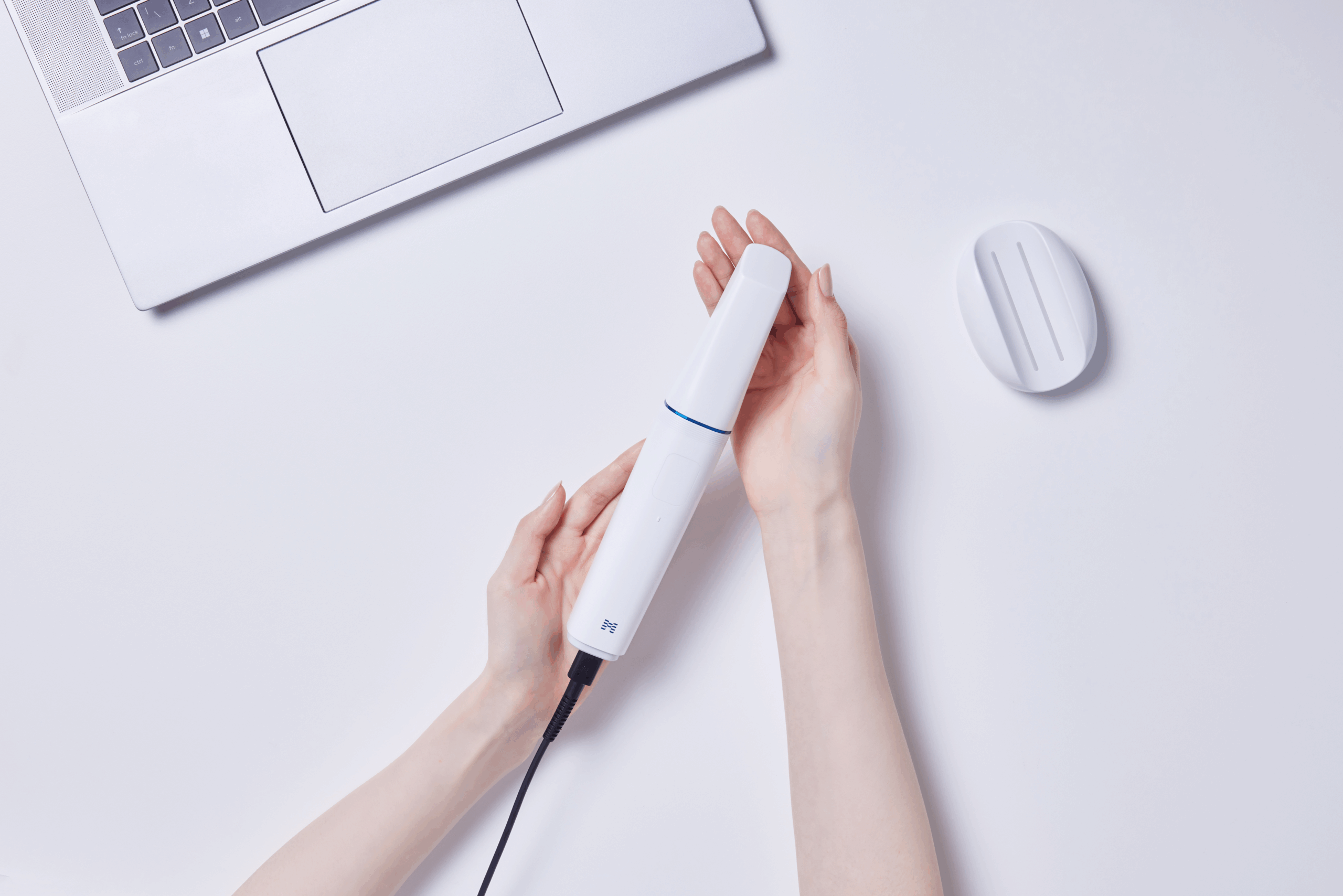
Medit has become a new standard name in open-system digital dentistry, delivering power that many other scanners try to match. Within this ecosystem, the Medit i700 vs i900 debate shows up frequently as the two scanners are close enough in price and positioning, leaving practitioners unsure which model fits future needs best.
The Medit i700 scanner has established itself as a proven workhorse, while the i900 represents Medit’s refined flagship with innovation and upgrades aimed at speed and usability. As a distributor of Medit intraoral scanners, CAD-Ray supports both models with training, warranty coverage, and trade-in programs.
This blog compares the Medit i700 and i900 across ergonomics, scan performance, AI capabilities, and overall value to help you determine which scanner fits your workflow.
Medit i700:The Proven Workhorse for Everyday Digital Workflow
The Medit i700 scanner has established itself as a dependable scanner that blends comfort, speed, and accuracy. Its design and performance features continue to support efficient workflows across a variety of clinical procedures.
Let’s break it down.
Design, Weight, and Ergonomics
The wired i700 weighs approximately 245g, while the wireless version weighs about 328g with the battery attached. A detachable cable, remote-control button, and 180-degree reversible tip measuring 22.5 x 17.1 mm provide flexibility during scanning. The wireless capability of the model delivers roughly 60 minutes of continuous use, enough for around 30 full-arch cases, while quick-swap batteries help maintain workflow throughout the day.
Scan Performance
The Medit i700 scanner can complete full-arch scans in under 40 seconds and, in some situations, as quickly as 18 seconds. Its 15 x 13 mm field of view and scan depth of up to 21 mm deliver precision around 10.9 μm, placing it alongside premium systems for most restorative indications. To top it up, built-in AI tools remove tongue and soft-tissue artifacts while assisting with bite alignment.
Matter of fact, digital impressions improve accuracy, reduce patient discomfort, speed up restorations, and support better collaboration between dental professionals.
Who the i700 Is Best For
As part of an intraoral scanner comparison, the i700 remains a strong option for practices looking for a dependable entry into digital workflow without stretching their budget. General dentists performing crowns, bridges, orthodontic cases, and routine restorative procedures often continue to rely on the Medit i700 scanner. The reason: proven track record and lower upfront investment.
Medit i900: Medit’s Refined Flagship As An Advanced Digital Solution
With improvements in weight, scanning range, and image processing, the Medit i900 represents Medit’s push toward faster and more refined digital workflows.
Let’s break it down.
Design, Weight, and Ergonomics
At just 165g, the i900 weighs nearly half as much as the i700. Its cable is thinner and approximately 61% more flexible, while the 360-degree Touch Band allows operation from different hand positions without adjusting grip. These refinements help reduce fatigue during long scanning sessions and high-volume days.
Scan Performance and AI Features
The i900 offers a wider 22 x 20 mm field of view, about 30% more than the i700, which helps reduce stitched images and supports smoother full-arch scanning. Scan depth also increases to 30 mm (vs i700’s 21 mm), giving better reach for deep margins and implant cases. Its ten-bit sensors improve color accuracy and perform better on reflective metal surfaces. This helps with shade matching and scanning over existing crown and bridge work.
A key highlight is the Medit i900 AI features, which include automatic soft-tissue artifact removal, improved shade matching, and faster processing. The scanner is ready to capture data in about 10-20 seconds, and users often see around 31% faster scanning once they become comfortable with the system. It also handles edentulous arch cases more effectively, an area where earlier Medit models hit roadblocks.
Who the i900 Is Best For
The i900 fits well in practices handling higher volumes of implant, full-arch, or edentulous cases, where expanded scan depth and field of view add real value. It also suits cosmetic and restorative-focused workflows where shade matching and color accuracy are central, supported by the Medit i900 AI features.
Clinicians who scan for longer periods often benefit from its lighter design and improved ergonomics, which help reduce strain during extended use. It is also a strong upgrade path for practices moving from the i500, i600, or i700 and looking for a clear performance jump, as observed across many intraoral scanner comparison reviews.
Medit i700 vs i900: A Side-by-Side Comparison in Digital Dentistry
The following Medit i700 and i900 intraoral scanner comparison showcases the difference in core specifications and real-world clinical performance:
| Feature | Medit i700 | Medit i900 |
| Wand Weight | 245g wired | 165g |
| Field of View | 15 x 13 mm | 22 x 20 mm |
| Max Scan Depth | 21 mm | 30 mm |
| Color Spectrum | 8-bit rendering | 10-bit rendering |
| Control System | Physical click buttons | 360° TouchBand / Classic physical |
| Calibration Window | Every 14 days | Every 90 days |
| CAD-Ray Base Warranty | 3 Years bundled | 5 Years bundled |
Note: The latest medit i900 AI features and expanded field of view give the flagship model advantages for demanding workflows, although both scanners deliver excellent clinical performance.
Price and Value: What Does Each Intraoral Scanner Actually Cost?
Understanding Medit i700 and i900 pricing helps clarify how each scanner delivers value across different clinical needs and practice sizes.
Keep reading to know the ranges.
Medit i700 Pricing
New i700 systems typically range from $13,000 to $16,000, depending on configuration and bundle options. Financing promotions are frequently available, making the scanner attractive for practices seeking near-flagship performance without the higher cost.
Medit i900 Pricing
The i900 scanner typically ranges between $18,000 and $25,000, depending on software bundles and warranty packages. It entered the market at a lower price point than several competing flagship systems, including TRIOS 5. Practices upgrading from earlier Medit models (i500/i600/i700) may also qualify for trade-in rebates.
Best Scanner In Terms of ROI
When performing an intraoral scanner price comparison, general practices with moderate case complexity often achieve faster payback with the i700. Practices handling larger implants and full-arch volumes may justify the additional cost through improved efficiency and reduced chair time.
Both scanners run Medit Link software and support STL, PLY, and OBJ file formats, keeping laboratory compatibility consistent. Since bundles and financing options vary, reviewing current Medit i700 and i900 pricing helps practices estimate long-term ownership costs more accurately.
Grand View Research projects continued growth in digital dentistry adoption, reinforcing the value of investing in scalable technology. This makes the Medit i700 vs i900 comparison especially relevant for practices planning upgrades, expanding digital workflows, or choosing a scanner that aligns with long-term clinical and operational needs.
FAQs: Medit i700 vs i900
What is the main difference between the Medit i700 and i900?
The main difference is that the Medit i900 comes with a lighter design, a wider field of view, and greater scan depth compared to the i700. It also features upgraded 10-bit sensors that improve color accuracy and overall scanning quality. These enhancements make the i900 more suited for advanced and high-volume clinical workflows.
Is the i900 worth the price difference over the i700?
Practices focused on implants, full-arch procedures, and esthetic restorations gain the most from upgrading, while the medit i700 scanner continues to offer excellent value for general restorative workflows.
What new AI features does the i900 have compared with the i700?
The upgraded i900 AI features include enhanced shade matching, improved soft-tissue removal, and better handling of reflective surfaces during scans. These improvements help produce more consistent and accurate scan data in both restorative and cosmetic cases. They also contribute to smoother workflows and faster post-processing of digital impressions.
Do both scanners use the same software and file formats?
Yes. Both systems operate on Medit Link and support STL, PLY, and OBJ formats, making laboratory integration straightforward.
Can I trade in my i700 for an i900?
Yes. Practices upgrading from i500, i600, or i700 systems may qualify for trade-in incentives and manufacturer rebate programs.
Medit i700 or i900: Make the Right Call for Your Practice
In conclusion, all of the Medit i700 vs i900 decision-making comes down to clinical priorities.
The i700 remains a proven, budget-friendly option for general restorative workflows, while the i900 is better suited for practices that prioritize faster scanning, improved ergonomics, higher color accuracy, and advanced implant or full-arch cases.
These systems are available at CAD-Ray with full warranty support, required trade-in programs for existing Medit users, and hands-on Medit training and specific insights to help teams get productive one step at a time. CAD-Ray also assists practices in comparing configurations, bundles, and real-world use cases so they can make a confident, well-informed choice. You can also browse Medit scanners alongside an intraoral scanner price comparison to identify the system that best fits clinical needs and long-term goals.