
How to Choose a Dental Furnace for Your Milling Workflow
June 26, 2026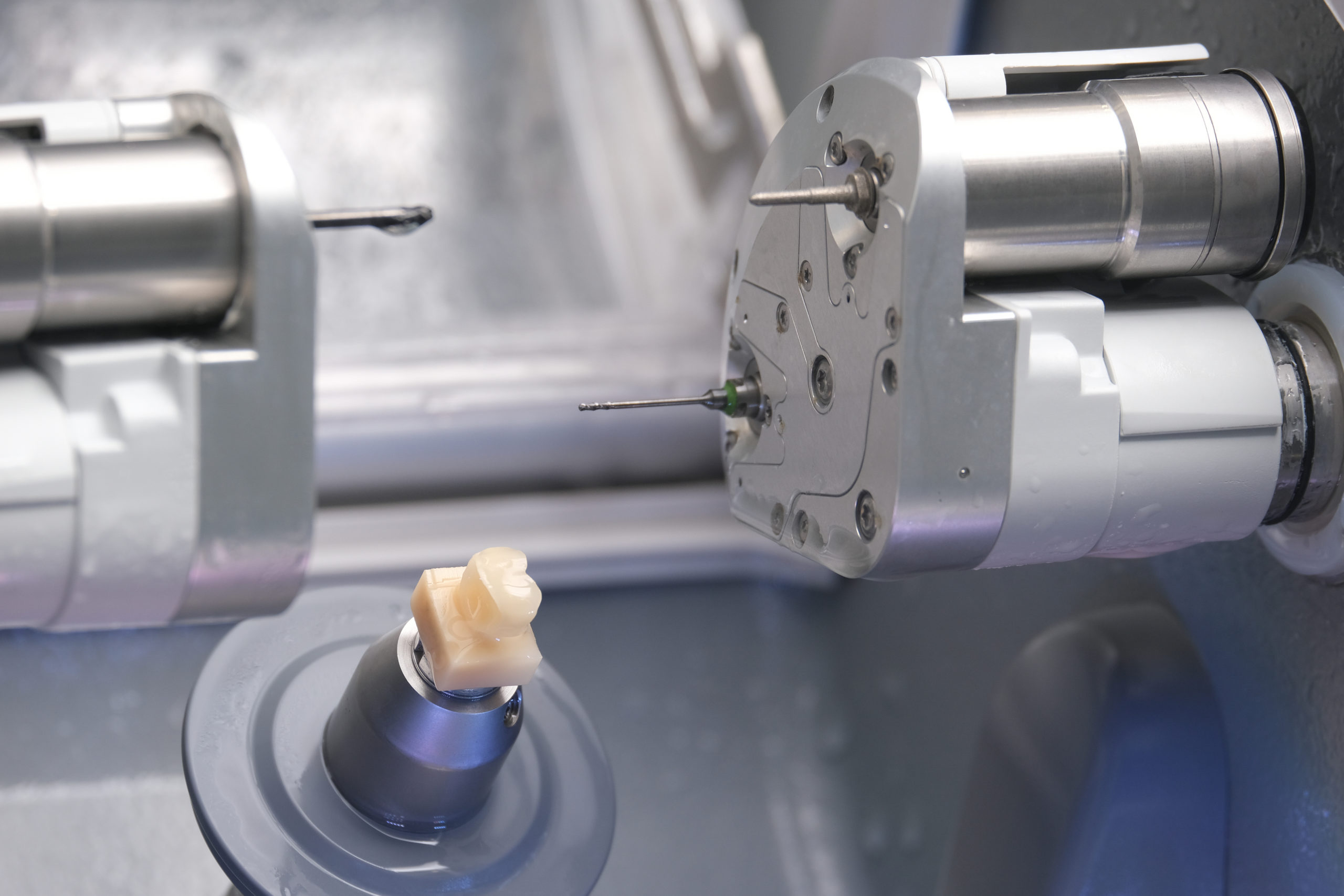
In modern digital dentistry, milling is only one stage in a larger production chain. A zirconia restoration that comes out of a milling machine is not ready for use in the mouth. At this stage, it remains a fragile, unfinished form that still needs controlled heat processing to gain its final strength, shade, and surface quality. That conversion happens inside a furnace, where sintering or firing cycles turn the milled structure into a clinically usable crown through controlled heat treatment.
Furnace categories vary significantly in capability, cycle control, and output consistency. Choosing the wrong unit can create delays and uneven results in a busy lab or clinic setup where throughput matters.
CAD-Ray brings material and equipment alignment into focus through its dental furnaces solutions, helping practices integrate tools like a dental porcelain furnace and a dental furnace for milling workflow within a connected CAD-CAM environment.
The global Dental CAD/CAM devices market is expected to grow from USD 3.82 billion in 2026 to USD 6.78 billion by 2033, at a CAGR of 10.6%, highlighting the accelerating shift toward digital fabrication systems in dentistry.
In this blog, we’ll explore the main types of dental furnaces, how they support different materials, and where each fits in a milling workflow.
Understanding the Different Types of Dental Furnaces
Different furnace types handle distinct restorative materials and firing needs, directly shaping how milled cases move toward their final form. This section breaks down these furnace categories and how to choose the right furnace within a modern milling workflow.
1. Sintering Furnaces (for Zirconia)
Used after milling pre-sintered (“green”) zirconia blocks, this furnace densifies the material into a strong, final restoration ready for clinical use. It typically operates in the 1400°C-1600°C range, where heat drives full crystallographic consolidation.
Sintering cycles are long, often 6-10 hours in standard programs, while speed sintering options can reduce this to around 40 minutes, depending on material and system. This category is essential for any lab or practice working with zirconia crowns, bridges, or frameworks produced through dental milling systems workflows.
Fact: Clinically, zirconia is widely used, with 98% of dentists using it for posterior crowns and 61% for anterior crowns, mainly due to its high flexural strength.
2. Porcelain/Firing Furnaces
These units run at lower temperatures, usually 800°C-1200°C, and are used for feldspathic porcelain firing, ceramic layering, glazing, and crystallization of materials like lithium disilicate.
They support anterior esthetic restorations, veneers, and finishing steps that refine shade and surface quality. Many systems in this category are referred to as a dental porcelain furnace, especially in clinical and lab settings, where ceramic finishing is a key step.
3. Combination and Chairside Units
Some compact systems combine sintering and glazing or crystallization in one unit, supporting same-day workflows in chairside environments. These are best suited for practices prioritizing quick turnaround for single-unit crowns rather than high-volume batch production.
4. Matching Furnace Type to Your Milling Material
Zirconia workflows require a sintering furnace without exception. Lithium disilicate (such as e.max) and layered porcelain work require a crystallization or porcelain furnace for final esthetics.
Many labs working across multiple materials end up using both types or a combination unit. Knowing how to choose the right furnace comes down to aligning material choice with the correct thermal process inside the milling-to-finish chain.
Key Factors to Consider When Choosing a Furnace
Here are the core factors that help guide how to choose the right furnace for clinical and lab use:
1. Temperature Range and Control Precision
Precise temperature control within ±1°C directly impacts restoration strength, translucency, and shade consistency. It is important to know how to choose the right furnace. It starts with confirming when it reaches the required range for materials like zirconia, which often needs up to 1600°C.
Apart from that, ramp rates also matter, as controlled heating and cooling reduces internal stress and lowers cracking risk. Material-specific programs help reduce errors when switching between zirconia and glass ceramic workflows.
2. Chamber Size and Batch Capacity
Chamber capacity defines how many restorations can be processed in one cycle. Solo practices focusing on single-unit cases often work well with compact chambers, while high-volume labs benefit from larger units that handle full batches (sometimes ranging from dozens to over a hundred restorations).
Efficient batching improves productivity across busy production schedules. Space planning also plays a role when fitting larger furnaces into lab or clinic layouts.
3. Heating Elements and Even Heat Distribution
Silicon carbide heating elements are commonly used for zirconia sintering due to durability and stable thermal performance. They support consistent results across multiple cycles in a dental furnace for milling workflow.
Uneven heat distribution can lead to variation in color and density across restorations in the same batch, so checking heat uniformity specs becomes important during selection.
4. Cycle Speed: Fast Sintering vs. Traditional Sintering
Traditional cycles take around 6-10 hours and prioritize stability and predictable outcomes, while fast sintering can complete cycles in roughly 40 minutes for selected materials. Workflow choice depends on whether the focus is same-day chairside restorations or batch-based lab production. Material compatibility should always guide cycle selection to avoid compromising final properties.
5. Software, Connectivity, and Workflow Integration
Modern furnaces include programmable presets, material libraries, and connectivity options such as USB or Ethernet. These features support smoother integration with CAD and milling systems in a dental furnace for milling workflow. Some systems also allow automated program updates from manufacturer databases, helping maintain consistency across repeated firing cycles.
6. Safety Features and Ease of Use
Over-temperature protection and automatic shut-off are standard features that reduce operational risks. Touchscreen interfaces and simplified controls reduce training time for new users. Regular maintenance checks help maintain stable performance over long usage periods in both clinic and lab environments.
7. Brand, Warranty, and After-Sales Support
Support quality has a direct effect on downtime and remake rates. Established brands with strong service networks usually provide more stable long-term performance. Warranty terms should be checked carefully, especially for wear components like heating elements. Access to furnace setup and training can also support proper setup and operation, while material selection aligned with zirconia milling materials can help improve consistency across cases.
How Much Does a Dental Furnace Cost?
Price is often a key factor when selecting a furnace. This section breaks down typical cost factors, what influences pricing, and where to check updated market figures, including how clinics evaluate “where can I find the latest dental porcelain furnace prices” during purchasing decisions.
Factors That Affect Furnace Investment
Furnace investment varies based on the type of system, its capabilities and whether the unit is new, used or refurbished. Entry-level or used porcelain furnaces are often selected for basic ceramic firing requirements, while chairside sintering or crystallization units are typically chosen for faster same-day workflows.
Full-featured lab-grade systems designed for high-temperature zirconia processing and larger batch capacity usually require a higher investment because of their chamber size, temperature controls, and workflow features. The right dental porcelain furnace depends on whether the practice or lab is focused on esthetic ceramic work, faster turnaround times or higher-volume production needs.
What Drives the Price Differences
The variations in cost are mainly driven by the maximum operating temperature. The reason: higher heat systems require stronger insulation and a more advanced level of engineering. The chamber size also has a direct impact, as larger hot zones demand more powerful heating elements and a durable build.
To top it up, brand reputation, software features, and other accessories such as firing trays, calibration kits, and vacuum components adds to the overall pricing.
Where to Find Current Pricing
Pricing can change based on region, package configuration, and whether the unit is new or refurbished. The most reliable approach is to request an itemized quote that separates equipment cost from installation, warranty, and service plans.
Note: We at CAD-Ray can help align a dental porcelain furnace selection with specific material and workflow needs. You can also browse dental furnaces to compare available systems through a structured catalog.
FAQs: Choosing a Dental Furnace
What is the difference between a sintering furnace and a porcelain furnace?
Sintering furnaces operate at 1400°C to 1600°C for zirconia densification, while porcelain units operate at lower ranges for glazing and ceramic layering. The key difference lies in purpose: sintering builds structural strength in zirconia restorations, while porcelain firing focuses on surface esthetics, shade refinement, and final finish.
In most dental furnace for milling workflow setups, both units work together since zirconia needs sintering while ceramics depend on controlled firing. This is also where understanding a dental porcelain furnace becomes important for achieving consistent esthetic outcomes in restorative cases.
What hidden costs should I budget for beyond the machine price?
Hidden costs include maintenance, calibration tools, trays, and replacement heating elements. With time, consumables and servicing intervals also contribute to total ownership cost, especially in high-use lab or clinic environments where consistent performance is required.
When evaluating a dental porcelain furnace, these recurring costs often matter as much as the initial purchase price, since long-term firing consistency depends on upkeep and component replacement cycles.
How often does a dental furnace need maintenance?
Most dental furnaces require routine maintenance to maintain firing accuracy and consistent restoration quality. Common maintenance tasks include cleaning the chamber, inspecting heating elements, checking calibration, and replacing worn components as needed. The recommended service schedule varies by manufacturer and usage volume, but regular maintenance helps extend equipment lifespan, reduce downtime, and support predictable firing results in both laboratory and chairside environments.
Ready to Complete Your Milling Machine Workflow?
Choosing the right dental porcelain furnace isn’t just an afterthought to your milling investment; it is a vital final step that determines whether those milled restorations become finished, highly durable, and aesthetically beautiful products.
As a trusted multi-category integrator, CAD-Ray bridges the gap between your hardware and your materials. We help you match the ideal post-processing equipment to the specific milling systems and blocks your practice or lab already utilizes. This tailored approach eliminates costly trial and error, minimizes calibration errors, and ensures long-term performance in high-volume environments.
Don’t let post-processing become your bottleneck. Browse dental furnaces at CAD-Ray to find the ideal match for your current setup, or reach out to our team to fully optimize your dental furnace for milling workflow today.