
Top Digital Dentistry Trends for 2026: AI, CAD/CAM & Intraoral Scanners
April 7, 2026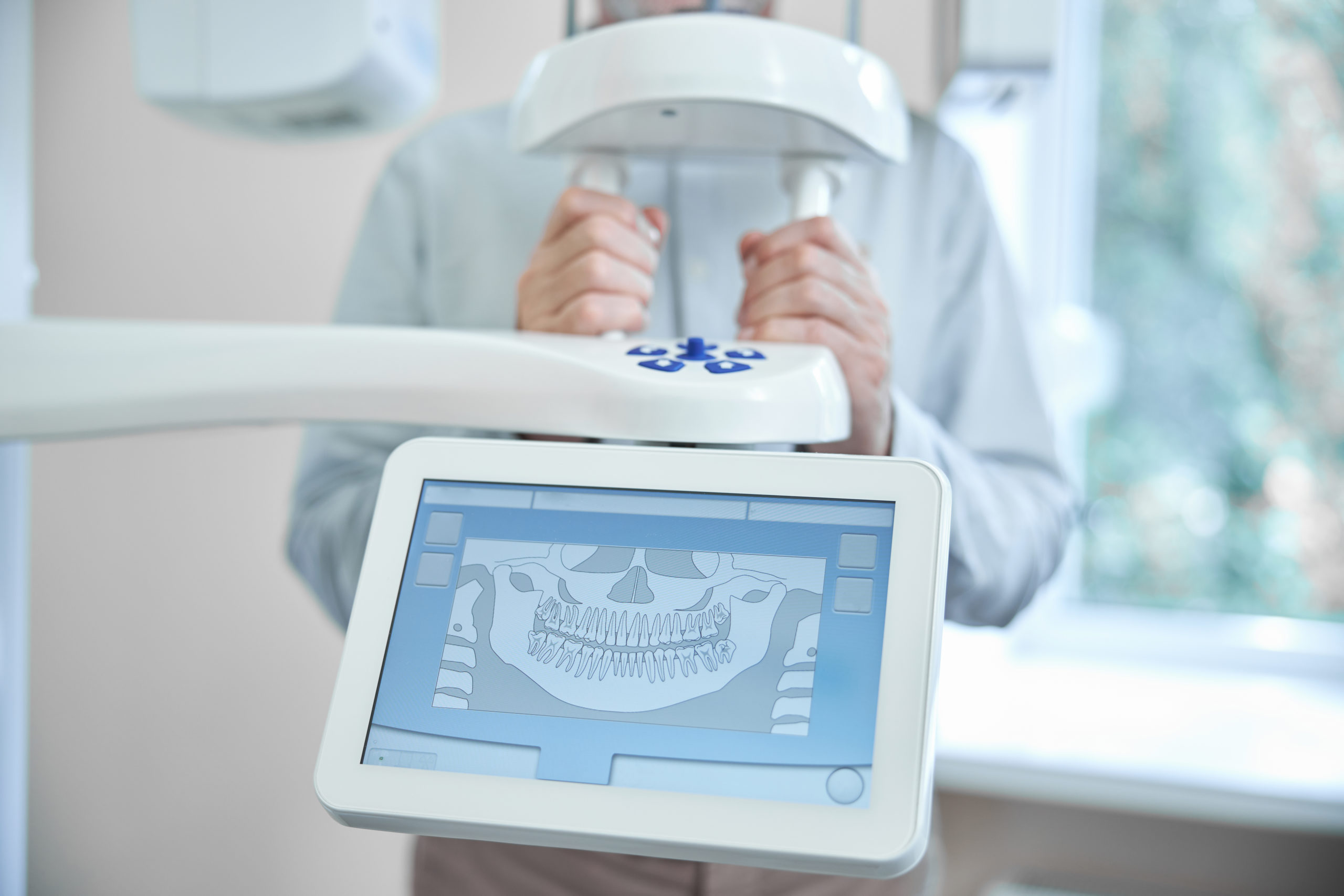
Digital dentistry in 2026 looks very different from what it did just a few years ago. The conversation has moved beyond simply “going digital.” Now it’s about getting the most out of the systems you already have.
Most modern practices scan rather than take traditional impressions. CAD/CAM production is common in both single-location practices and multi-site groups. The technology itself is no longer the headline.
The defining trend for 2026 is cohesion. Digital dentistry solutions like scanners, software, AI, and production tools are no longer separate pieces of equipment. They function as parts of a coordinated workflow built around efficiency and consistency.
The practices seeing the strongest results are tightening protocols, improving communication, and creating systems that allow their technology to perform at its full potential.
In 2026, success in digital dentistry is less about what you own and more about how well everything works together. Let’s go over the trends shaping this shift, and how AI, CAD/CAM, and intraoral scanners are driving better, more connected systems.
What Is Digital Dentistry and Why Is It Booming in 2026?
Digital dentistry is a connected system that captures clinical data, designs restorations, and moves cases into production through integrated software. For anyone asking what digital dentistry is and how does it work, the concept is simple: digital data replaces physical materials, with coordinated workflows in place of fragmented handoffs.
The Shift from Analog to Digital: A Practice-Changing Moment
Stone models, impression trays, handwritten lab slips, and manual fabrication are steadily giving way to digital impressions, structured case submissions, and faster production timelines.
The shift is being driven by expectations on every side of the chair:
- Patients value faster appointments and greater comfort.
- Laboratories operate more efficiently with clean, consistent digital files.
- Practice owners look closely at profitability, chair time, and case predictability.
As more offices complete the move to fully digital systems, what once seemed cutting-edge now feels like the practical way to run a modern practice.
What Are the Latest Dental Technologies in 2026?
Anyone asking what the latest dental technologies in 2026 are will see three clear pillars: AI-powered diagnostics, advanced milling and 3D printing through modern CAD/CAM software, and highly accurate intraoral scanning.
A scan captured through digital impressions feeds directly into design software, where AI assists with margin detection, anatomy refinement, and occlusion analysis. From there, the case moves seamlessly into milling or printing without manual conversion or file cleanup.
One of the most important dental technology trends in 2026 is the growth of open-system platforms. Practices can now pair scanners, software, and mills across brands to create flexible, performance-focused systems.
AI in Dentistry: How Artificial Intelligence Is Transforming Diagnosis and Treatment Planning
One of the most popular latest trends in dentistry involves using artificial intelligence (AI) to strengthen accuracy and reduce variability during diagnosis and planning.
How Does AI Improve Dental Diagnosis?
AI systems analyze radiographs and digital images to help detect caries, bone loss, and periapical lesions with consistent accuracy. Machine learning programs review patterns across thousands of X-rays, CBCT scans, and intraoral photos to flag areas in need of closer evaluation.
Modern AI-powered intraoral scanners can filter out excess soft tissue during scanning to create cleaner digital models and reduce the need for rescans. Combined with CBCT imaging and AI diagnostics, clinicians gain better visibility into bone levels and structural concerns.
AI for Treatment and Patient Communication
AI now plays a clear role in both treatment planning and case presentation. Modern systems assist with aligner setups, implant positioning, and crown design directly inside CAD environments to help clinicians move from diagnosis to action much more efficiently.
At the same time, these tools strengthen patient communication. AI-driven smile simulations allow patients to see projected outcomes during consultations instead of relying on verbal explanations alone. Many platforms also organize treatment summaries and digital records automatically.
The Future of CAD/CAM Dentistry in 2026: Same-Day Restorations and Beyond
CAD/CAM stands for Computer-Aided Design and Computer-Aided Manufacturing. In plain terms, it allows dentists to design a restoration on a computer and then produce it digitally.
Here’s how it works:
- An intraoral scan captures the tooth preparation
- The file moves into design software where the crown, veneer, or bridge is shaped
- Once finalized, the design is sent to an in-office mill or 3D printer for fabrication
CAD technology first gained attention with early systems like CEREC in the 1980s. Today, this digital dentistry trend has expanded into flexible, open platforms capable of producing crowns, bridges, inlays, onlays, veneers, implant abutments, and even full-arch prosthetics.
Multiple practices now rely on open CAD design software to maintain flexibility across scanners and production units.
Where CAD/CAM Is Heading in 2026
The future of CAD CAM dentistry in 2026 centers on efficiency and connection. Thanks to in-office CAD/CAM systems, many restorations can now be designed and produced chairside in under an hour, so patients can leave with their final fitment the same day.
Furthermore, advanced milling units tackle more complex cases with better precision. Updated ceramic and hybrid materials offer stronger, more natural-looking results.
Perhaps the most meaningful advancement is integration. With the scanners, design software, and milling units communicating effectively, dental workflows feel more organized and consistent.
Intraoral Scanner Trends 2026: Faster, Smarter, and More Patient-Friendly
Intraoral scanners continue to heavily influence modern workflows. Many of the biggest digital dentistry trends connect directly to improvements in scanning speed, clarity, and patient comfort.
How Intraoral Scanners Improve Patient Experience
Digital scanning has moved well beyond being an alternative to impression material. In many parts of the United States and Northern Europe, intraoral scanner adoption now exceeds 60%, and for a growing number of practices, it represents the standard approach.
With an intraoral scanner, dentists can capture full-arch data in just a few minutes. There are no trays, no impression material, and far less discomfort for patients. The process feels cleaner and more efficient for everyone involved.
During the scan, a 3D model is built in real time on the screen. Dentists can rotate the model, point out areas of concern, and involve patients in the conversation. The visual engagement improves understanding and strengthens case acceptance.
Today’s scanners are also smaller and often wireless. Patients appreciate that they feel less bulky in the mouth. Once the scan is complete, you can send it directly to the lab digitally, so there’s a smaller margin for error.
Top Intraoral Scanner Trends for 2026
The top intraoral scanners of 2026 capture full-color images with sharper soft-tissue detail. The built-in AI tools guide the scanning process by highlighting missed spots and suggesting quick corrections before you finish.
Facial scanning integration is gaining traction as well. By combining facial images with intraoral data, dentists can plan smile designs with better balance and proportion. Implant workflows are expanding too, with more streamlined full-arch scanning options.
FAQs: Digital Dentistry Trends Answered
What is digital dentistry, and how does it work?
Digital dentistry uses connected technology to manage the full workflow from scan to final restoration. A dentist captures a digital impression, designs the case in software, and then fabricates it using milling or 3D printing systems for precise, efficient results.
How does AI improve dental diagnosis?
AI reviews X-rays, CBCT scans, and intraoral images to highlight areas that may show decay, bone loss, or infection. It helps dentists spot patterns quickly and supports earlier, more consistent identification of potential concerns during diagnosis.
What is CAD/CAM technology in dentistry?
CAD means Computer-Aided Design, and CAM means Computer-Aided Manufacturing. Dentists can design restorations digitally and produce them in-office, usually delivering same-day crowns and other restorations without sending cases to a traditional lab.
What are the latest dental technologies in 2026?
The biggest updates include AI-assisted diagnostics, open-system intraoral scanners, cloud-based design tools, and in-office milling or 3D printing. These tools work together to create faster, more predictable digital workflows.
How do intraoral scanners improve patient experience?
Intraoral scanners remove the need for messy impressions and capture data quickly. Patients enjoy shorter appointments, greater comfort, and real-time 3D images that make treatment discussions easier to understand.
Ready to Embrace the Future of Digital Dentistry?
AI-powered diagnostics, faster chairside production, and smarter scanning tools are redefining how modern practices operate. Rather than being a glimpse of what’s ahead, it’s how dentistry operates in 2026.
At CAD-Ray, we work with practices and labs that want dependable systems, not trial-and-error setups. Our team supports real-world workflows, from equipment selection to process refinement, so your technology delivers consistent results.
Ready to take the next step? Browse our open-system dental scanners or explore our digital dentistry training and support resources to build confidence and keep your workflow moving forward.